

M/V KAPTAN ISMAIL HAKKI
-

The M/V KAPTAN ISMAIL HAKKI in the Bosporus. Source: devalmarine.com / sketchfab.com (Holger Buss) -

Hasan Deval (1876–1957). Source: devalmarine.com / sketchfab.com (Holger Buss) -

Ismail Hakki Deval (1896–1964). Source: devalmarine.com / sketchfab.com (Holger Buss) -
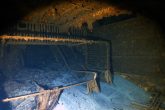
The interior of the ship’s cargo hold. Archive of Christos Michail -

Divers entering the interior of the wreck. Archive of Christos Michail. -
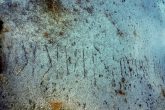
The ship’s name is still visible. Archive of Christos Michail -
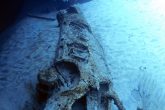
The car that the ship was transporting lies outside the cargo hold. Archive of Christos Michail -

The ship’s mast. Archive of Christos Michail -

The ship’s emblem “C I H” (Captain Ismail Hakki). Archive of Christos Michail -
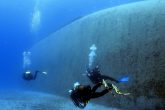
Divers enjoying the dive while observing the ship’s keel. Archive of Christos Michail -

Photogrammetry model of the Ismail Hakki wreck. Source: sketchfab.com (Holger Buss) -
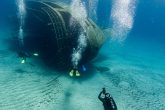
The bow of the Ismail Kahhi wreck. Archive of Kostas Milonakis. -

The propela of the ship. Archive of Kostas Milonakis. -
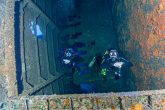
Divers inside the ship. Archive of Kostas Milonakis. -

The imposing bow of the Ismail Hakki. Archive of Kostas Milonakis. -

Another photo of our group of friends underwater. Archive of Kostas Milonakis. -
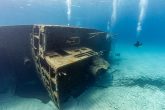
The ships baggage area with the bridge, and the funnel. Archive of Kostas Milonakis -
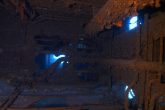
Internally from the ship. Archive of Christos Mihail. -

Video of the wreck.
The Wreck
On the night of January 30, 1978, during severe sea turbulence at Cape Maleas, the diesel-powered cargo ship M/V KAPTAN ISMAIL HAKKI, while attempting to approach the coast, sank just a few meters from the shoreline in the Bay of Agia Marina in Laconia. The vessel was loaded with iron ore, and a possible sudden shift of the cargo caused the ship to list and ultimately sink onto a sandy seabed at a maximum depth of 10 meters, without any loss of life. According to testimonies from local residents, a shepherd who happened to be in the area realized the danger and lit fires along the shore in order to guide the shipwrecked sailors toward a sandy beach. Thanks to this improvised signal—especially important as the night was completely dark—the crew managed to reach land safely. As a token of gratitude for saving them, the survivors gave their lifeboat to the shepherd.
Ship Characteristics
Name: KAPTAN ISMAIL HAKKI
Type: Cargo ship
Year built: 1969
Nationality: Turkish
Yard No.: 11
IMO / Official No.: 6924521
Tonnage: 498 GRT
Dimensions: 58.3 × 9.1 × 4 m
Material: Steel
Propulsion: Motor vessel (diesel)
Engine: 1 diesel engine, single shaft, 1 propeller
Historical Background
Captain Hasan Deval, son of Haci Osman, founded the Deval Group in 1895. The company’s first acquisitions were two wooden ships of approximately 100 tons DWT each: SS Pilevne – Built 1880, DWT 150, purchased 1901, sold in 1930 and SS Balina – Built 1875, DWT 150, purchased 1920, sold in 1930. At that time, the company’s wooden ships transported goods between Russia and the Ottoman Empire. In 1952, the company passed to his son Ismail Hakki, after whom the ship Kaptan Ismail Hakki was named. Ismail Hakki became known as the first Turkish shipowner to convert his fleet from steam-powered vessels to diesel-powered ships, and the KAPTAN ISMAIL HAKKI may have been among the first diesel-powered ships in Turkey.
The Dive
The wreck rests on a sandy seabed, lying on its port side at a maximum depth of 10–12 meters, oriented on an east–west axis. The propeller and rudder remain in place, as does the anchor windlass at the bow. The wreck is in very good condition, showing relatively little deterioration from time or other factors. The car that the vessel was transporting lies outside the wreck, right next to the ship. Visibility is usually greater than 30 meters, meaning that from almost any point on the wreck you can see more than half of the vessel. From the shore which is the entry point for divers, the wreck lies approximately 250 meters away.
Text – Research: Panagiotis Vletsas
Sources: www.devalmarine.com
https://sketchfab.com/ (Holger Buss)